Introduction
Navigating the globe of ostomies can really feel overwhelming, and recognizing the terms related to them is vital for patients, caretakers, and medical care professionals alike. In this comprehensive overview, we will discover what an ostomy stoma is, look into the different sorts of ostomies, review ostomy care training alternatives available for caretakers, and debunk the complexities bordering bowel care management. This post intends to give clearness on a topic that influences numerous lives while ensuring that you win a deeper understanding of exactly how to care for someone with an ostomy. So, let's dive right in!
What is an Ostomy Stoma?
An ostomy stoma describes a surgically developed opening in the abdomen that connects a part of the intestinal tract or urinary tract to the beyond the body. This procedure is often essential because of medical problems like cancer cells, inflammatory digestive tract disease (IBD), or trauma. The stoma serves as an alternative departure point for waste when typical removal courses are compromised.
Types of Ostomies
Colostomy
A colostomy involves bringing part of the colon with the abdominal wall. It may be short-term or long-term and is often suggested for conditions impacting the reduced intestinal tract.
Ileostomy
In an ileostomy, an area of the ileum (the tail end of the tiny intestine) is brought out to form a stoma. This type is normally permanent and might be needed for extreme digestive tract diseases.
Urostomy
A urostomy requires creating a stoma from sections of the urinary tract. It's mostly executed for people that have bladder problems or have had their bladder removed.
What Does Ostomy Care Entail?
Ostomy care includes taking care of hygiene, what is complex bowel care protecting against skin inflammation around the stoma, and guaranteeing proper pouching systems are used. Caretakers play a vital role in this procedure; hence they ought to take part in specialized training.
Importance of Stoma Care Training for Carers
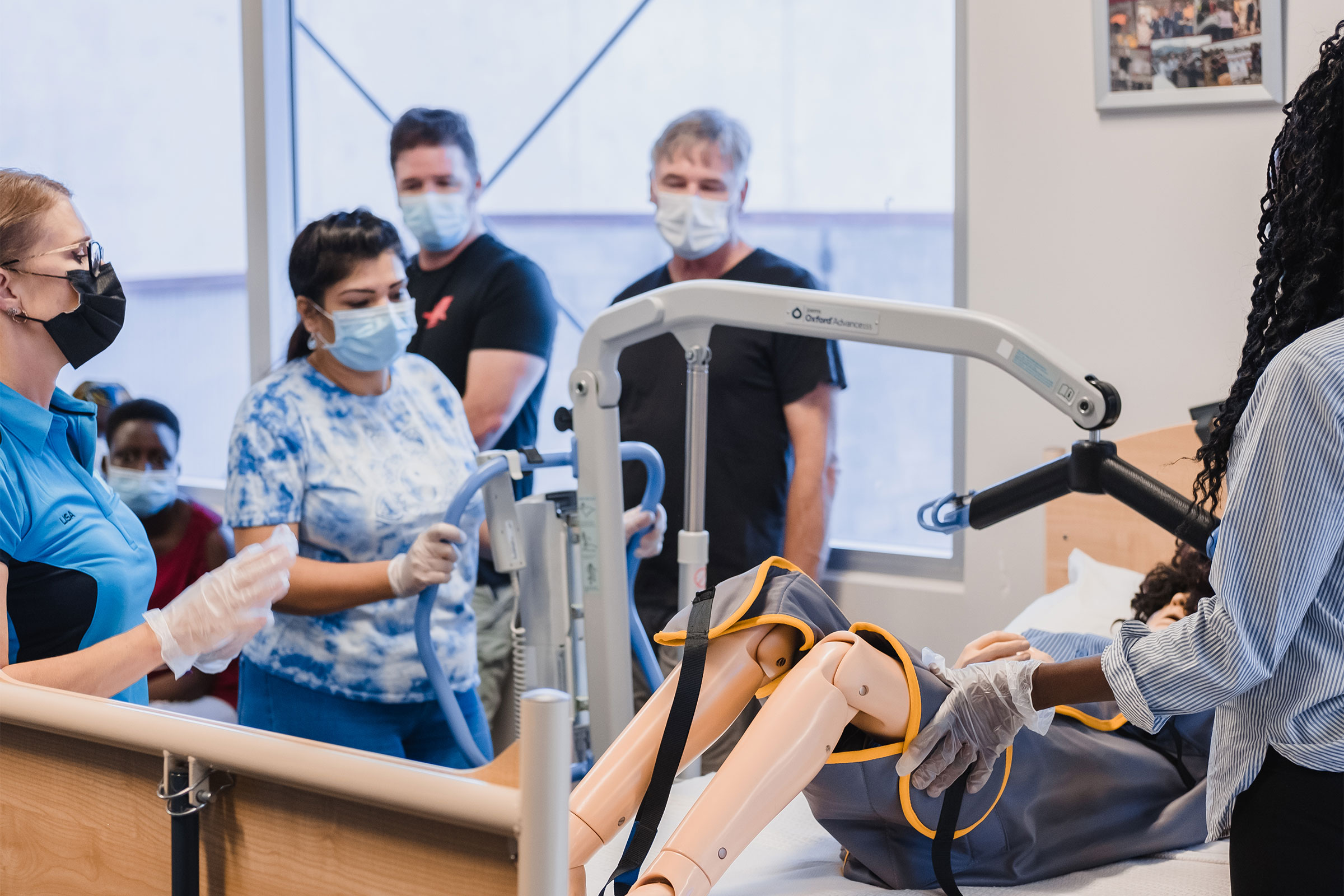
Training caregivers in stoma care is vital for ensuring both person convenience and health end results. Proper education and learning on exactly how to handle an ostomy can significantly minimize complications like infections or skin breakdown.
Stoma Care Training Programs Available
Basic Stoma Care Courses- These training courses cover fundamental aspects like cleaning methods and pouch changes.
- Focused on intricate cases calling for much deeper understanding about different types of pouches and specific skin treatment products.
- Tailored programs under Australia's National Special needs Insurance coverage System (NDIS) concentrating on handling intricate bowel needs effectively.
Who Demands Ostomy Care Training?
Anyone associated with taking care of people with ostomies ought to undergo training. This includes member of the family, specialist caregivers, registered nurses, and also volunteers within neighborhood settings.

Benefits of Quality Training
- Enhanced expertise leads to boosted client outcomes. Increased self-confidence in handling emergencies. Better psychological support given by trained caregivers.
Complex Bowel Treatment: Comprehending Its Necessity
The term "complex bowel care" encompasses a variety of methods focused on aiding individuals manage their bowel health and wellness efficiently.
Components of Complex Bowel Care Management
Assessment- Regular assessments are crucial for tracking any modifications in bowel routines or health.
- Each person may require tailored strategies based upon their unique needs.
- Knowledge regarding nutritional alterations can substantially influence digestive tract health.
Caring for an Ostomy: A Detailed Guide
Successfully looking after somebody with an ostomy calls for persistance and knowledge about everyday regimens:
Daily Cleaning Routine- Gentle cleansing around the stoma to avoid infections.
- Recommendations recommend altering pouches every 3-7 days relying on aspects like outcome and skin condition.
- Adapting diet regimen according to specific resistance degrees can aid handle output consistency.
FAQs Regarding Ostomies and Stomas
What is a stoma? A stoma is a man-made opening produced operatively that enables waste to exit the body when regular paths are not functional.
How long does it require to recuperate from ostomy surgery? Recuperation time differs per person yet generally ranges from 6-8 weeks post-surgery.
Can I live typically after obtaining an ostomy? Yes! Many individuals lead meeting lives after getting an ostomy with proper monitoring and support.
Is there specialized training readily available for caregivers? Definitely! Various programs concentrate particularly on mentor crucial skills connected to stoma care management.
Will I need recurring support after my surgery? Many people take advantage of continuous follow-ups with healthcare providers focusing on ostomy care even after recovery.
What must I do if there's leak around my pouch? Evaluate your pouch fit promptly; consider changing your home appliance or consulting your doctor if leaks persist.
Conclusion
Understanding what an ostomy stoma is and just how it can impact daily life is vital-- not simply for those dealing with one however additionally for their caregivers and enjoyed ones associated with their care trip. With suitable training-- like NDIS complex bowel care training-- caregivers can offer reliable support while cultivating freedom amongst those they assist.
As we have actually explored throughout this write-up, becoming experienced about fundamental principles pertaining to stomas puts down a solid foundation not just for administration but also cultivates far better communication between patients and their support systems!
In summary, whether you're inquiring as someone freshly diagnosed or searching for means to enhance your caregiving abilities via specialized programs like complex bowel care training-- remember: understanding equips you every step of this journey!